Technological

The Economy of Intent: How AI Will Turn Your Desires into Commodities
Young woman talking with AI voice virtual assistant on smartphone. Credit: Getty/d3sign
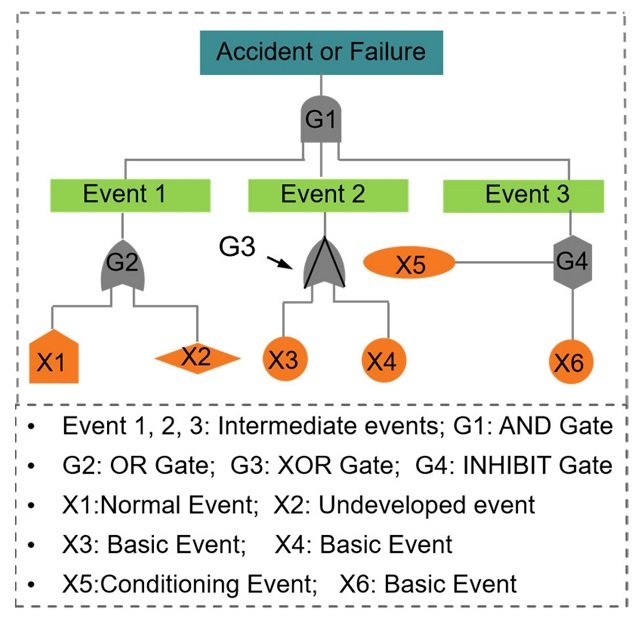
Fault Tree Analysis (FTA) to analyze failures in systems or components
Fault Tree Analysis (FTA) Diagram, Source: Pan et al., (2022); Sustainability 14, no. 18: 11430.

APP can help scouts discover new soccer stars
The app allows user to upload ability-based videos doing drills such as jumps, 10 metre sprints, stepovers and press ups to be evaluated by football clubs. Source: Kingston University.

The Future of Innovation Management: A New Frontier
The management of innovation, the art and science of turning ideas into value, has become an essential part of the ...
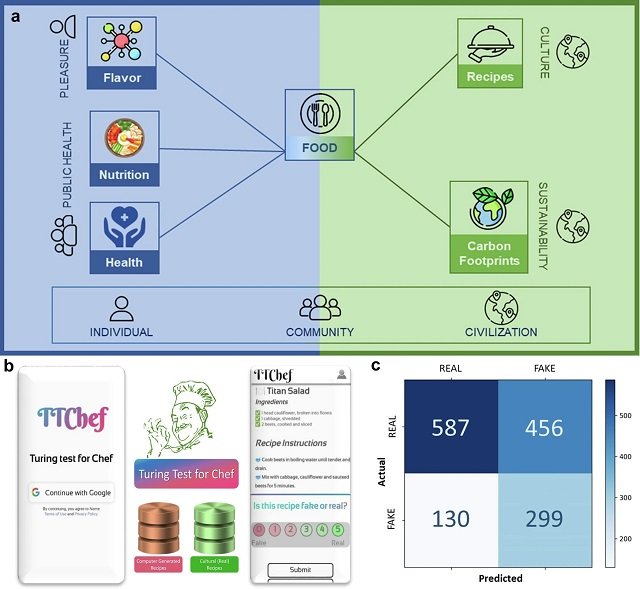
Computational Gastronomy: Can Artificial Intelligence Become the Next Great Chef?
The cooking, a cornerstone of human civilization, is an art form that interweaves creativity, culture, and science. Beyond quenching hunger, ...

A study demonstrates the potential of “ChatGPT” for biomedical simulations
Imagine a world where researchers can simulate complex biological processes with just a few lines of text. This is not ...

The Double-Edged Sword: How Technological Innovation Affects Income Inequality
Technology is a constant force for change that promises to connect us, streamline processes, and drive economic growth. But a ...

How Artificial Intelligence is Revolutionizing Scientific Research
The field of artificial intelligence (AI) is experiencing a period of unprecedented growth, and its impact is felt in numerous ...